About Openyida MCP App
Openyida MCP App is an MCP server in the AI category: openYida MCP App — Interactive UIs for Yida low-code platform in Claude, ChatGPT and other MCP hosts.
Install
claude mcp add openyida-mcp-app -- npx -y openyida-mcp-appnpx -y openyida-mcp-appThis server has no ConduID identity, so agent calls to it are not receipted. Pin the version you install and review the source before granting it credentials.
Tools (10)
QwenWork(千问办公)Full support
Parameters not published.
[Claude Code](https://claude.ai/code)Full support
Parameters not published.
[Codex](https://openai.com/codex/)Full support
Parameters not published.
[Cursor](https://cursor.com/)Full support
Parameters not published.
[MuleRun](https://mulerun.com)Full support
Parameters not published.
[OpenCode](https://opencode.ai)Full support
Parameters not published.
[Qoder IDE](https://qoder.com/ide)Full support
Parameters not published.
[QoderWork](https://qoder.com/download)Full support
Parameters not published.
[Qoder](https://qoder.com/download)Full support
Parameters not published.
[Visual Studio Code](https://code.visualstudio.com/)Full support
Parameters not published.
Ask AI
Ask AI about Openyida MCP App
Powered by Claude · Grounded in docs
Security checks
- ✓README presentThe repository ships documentation.
5 checks have not been run yet.
README

OpenYida
AI-native CLI for building DingTalk Yida low-code applications.
OpenYida connects AI coding agents with Yida's low-code platform, so developers can create apps, forms, workflows, custom pages, reports, integrations, and deployment configuration from a normal chat-driven development workflow.
Quick Start · Capabilities · CLI Reference · Examples · Contributing · Changelog




Documentation: English · 简体中文 · 繁體中文 · 日本語 · 한국어 · Français · Deutsch · Español · Português · Tiếng Việt · हिन्दी · العربية
What OpenYida Provides
OpenYida is a bridge between AI coding tools and Yida. It gives agents a stable command-line interface for the full application lifecycle:
| Area | What you can do |
|---|---|
| Application delivery | Create, update, export, and import Yida applications |
| Form modeling | Create forms, update fields, inspect schemas, and manage permissions |
| Custom pages | Generate React-based pages, lint Yida runtime rules, compile, and publish |
| Workflow automation | Create process forms, configure approval flows, preview process instances |
| Data operations | Query form/process/task/subform data and run anomaly checks |
| Integrations | Manage HTTP connectors, connector actions, auth accounts, and automation flows |
| Operations | Diagnose environment issues, manage login state, configure sharing, upload CDN assets |
The result remains a native Yida application: teams can continue editing it in Yida, use existing enterprise security controls, and deploy through the Yida platform.
Quick Start
1. Install
npm install -g openyida
OpenYida requires Node.js 18 or later. The package exposes both openyida and yida commands.
If Codex is already installed, OpenYida also imports a local Codex plugin during postinstall. Restart Codex after installation, then type @宜搭 or @openyida in the composer to attach the OpenYida context.
2. Check Your Environment
Run this from the AI coding workspace where you want OpenYida to operate:
openyida env
openyida env --json
openyida commands --json
OpenYida detects the active agent environment, workspace path, login state, and organization context. Use --json when an agent needs a stable machine-readable snapshot.
openyida commands --json emits the command manifest used by the CLI help, so agents can inspect available routes without scraping terminal output.
3. Log In
openyida login
In Codex, OpenYida returns a browser handoff when no valid cached login exists. The Codex agent should open login_url in the in-app browser, let DingTalk/Yida handle QR scan and organization selection in the real login page, then re-run openyida login --check-only --json to verify whether a CLI Cookie bridge has written credentials. If the current Browser Use runtime cannot navigate directly to an external URL, open a temporary local redirect page in the in-app browser and let that page redirect to login_url.
The older Codex QR polling flow remains available as an explicit fallback:
openyida login --codex-qr
For terminal QR login, use:
openyida login --qr
openyida login --qr --corp-id dingxxxxxxxx
openyida login --check-only --json
Qoder and Wukong keep using the built-in browser handoff. OpenYida does not install Playwright by default.
4. Build With an AI Agent
Ask your coding agent for a concrete Yida application or workflow:
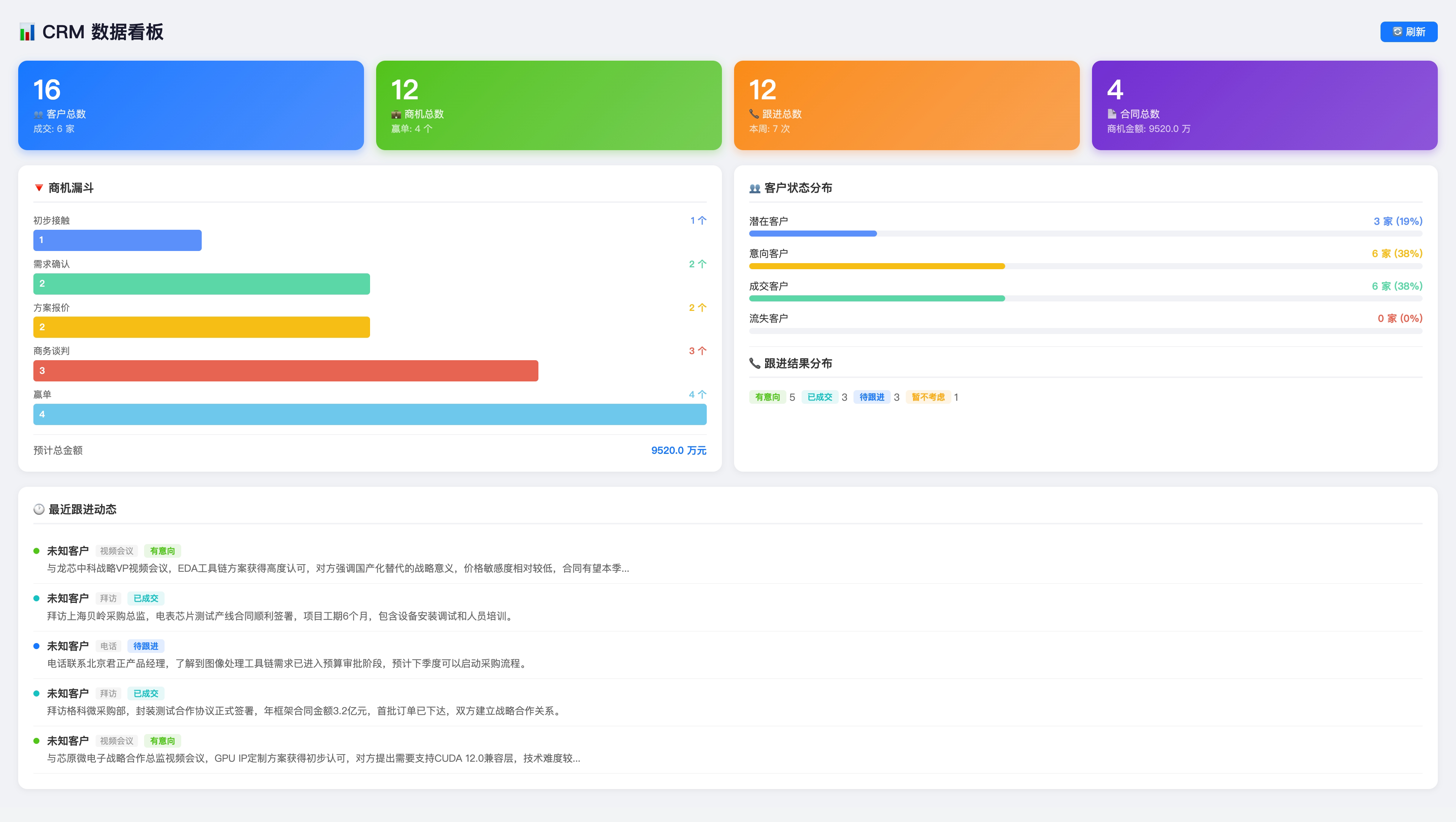
Create a CRM application in Yida with customer, contact, opportunity, and follow-up forms.
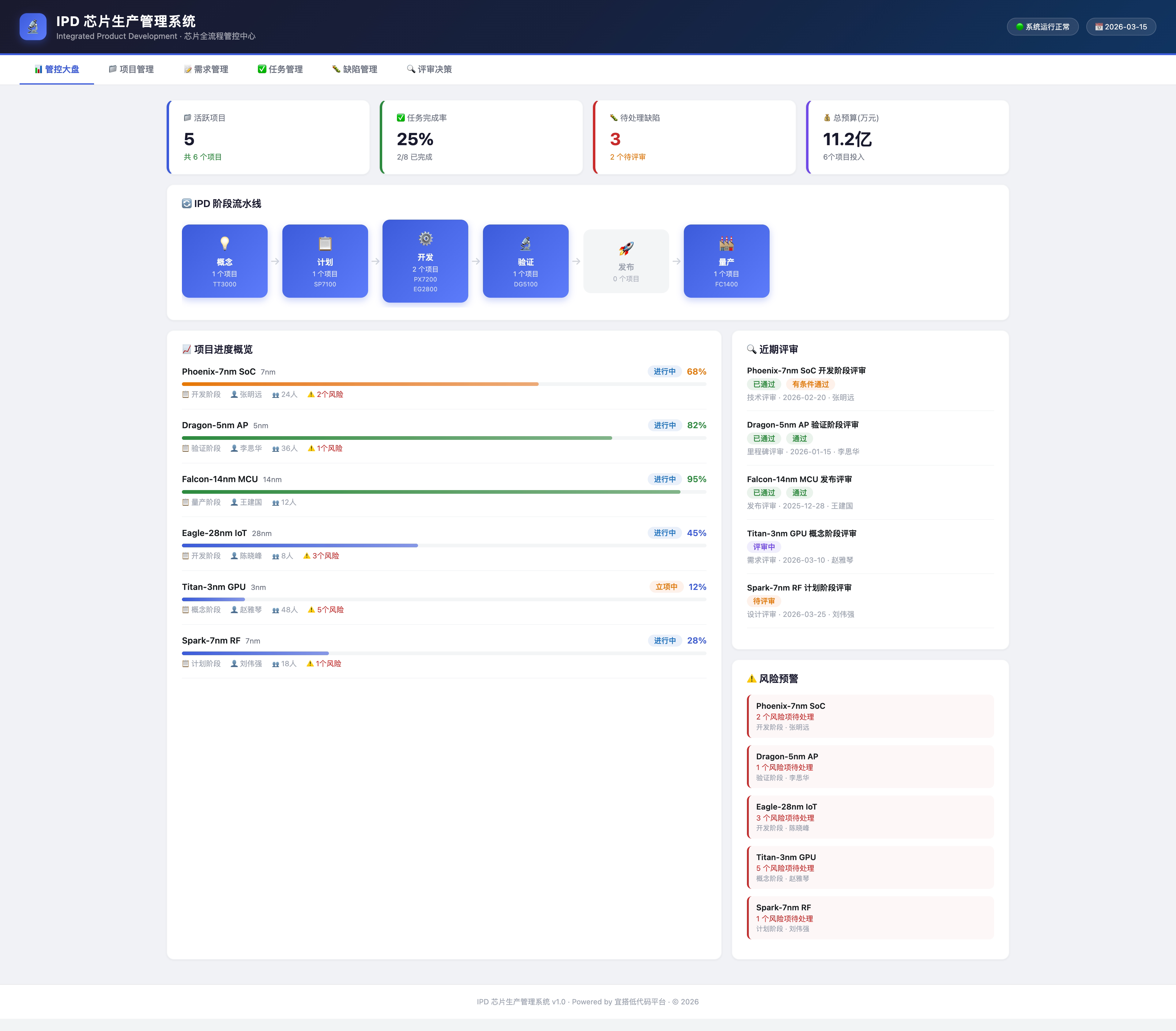
Build an IPD workflow for chip production, including approval nodes and dashboard pages.
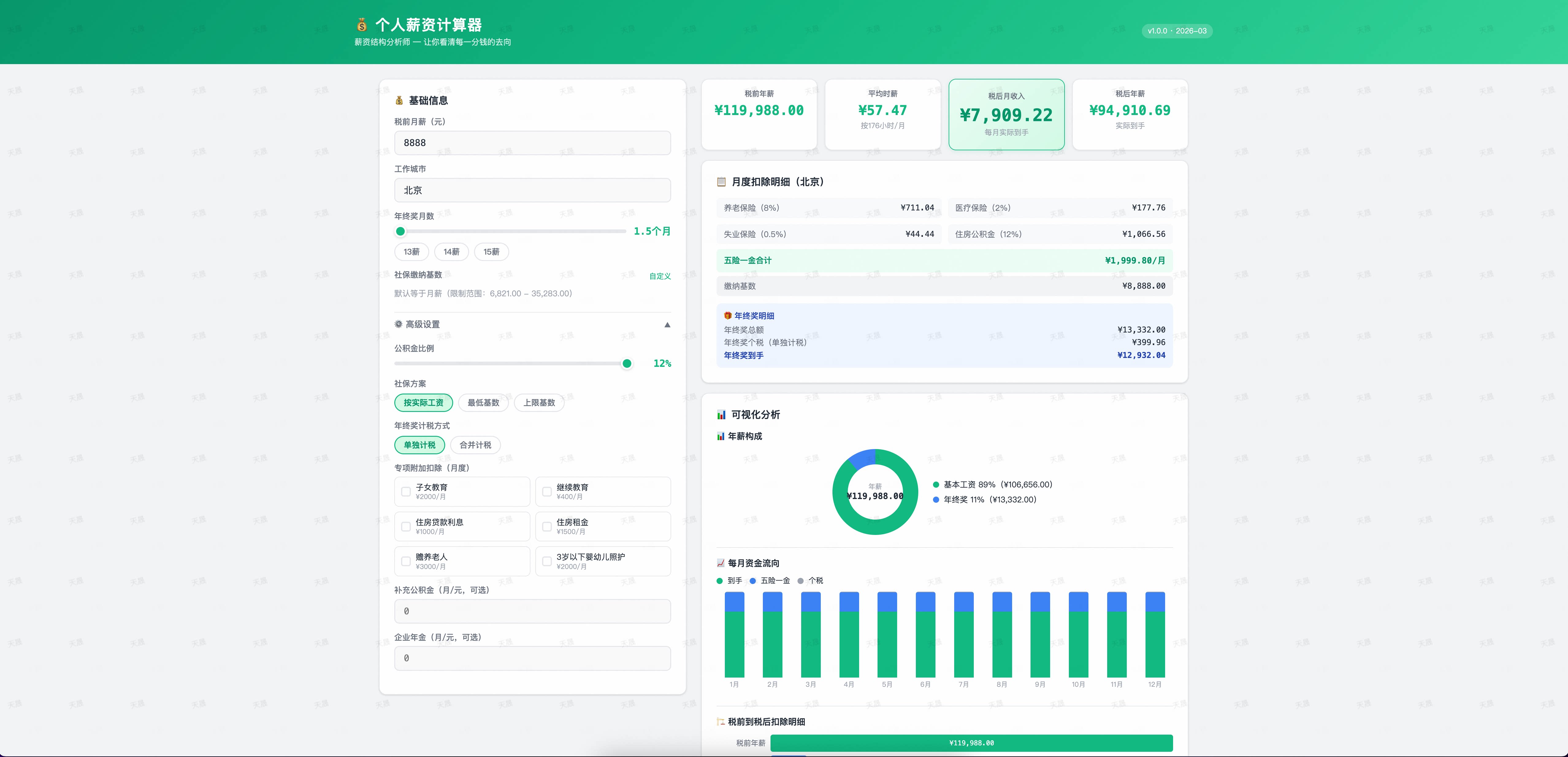
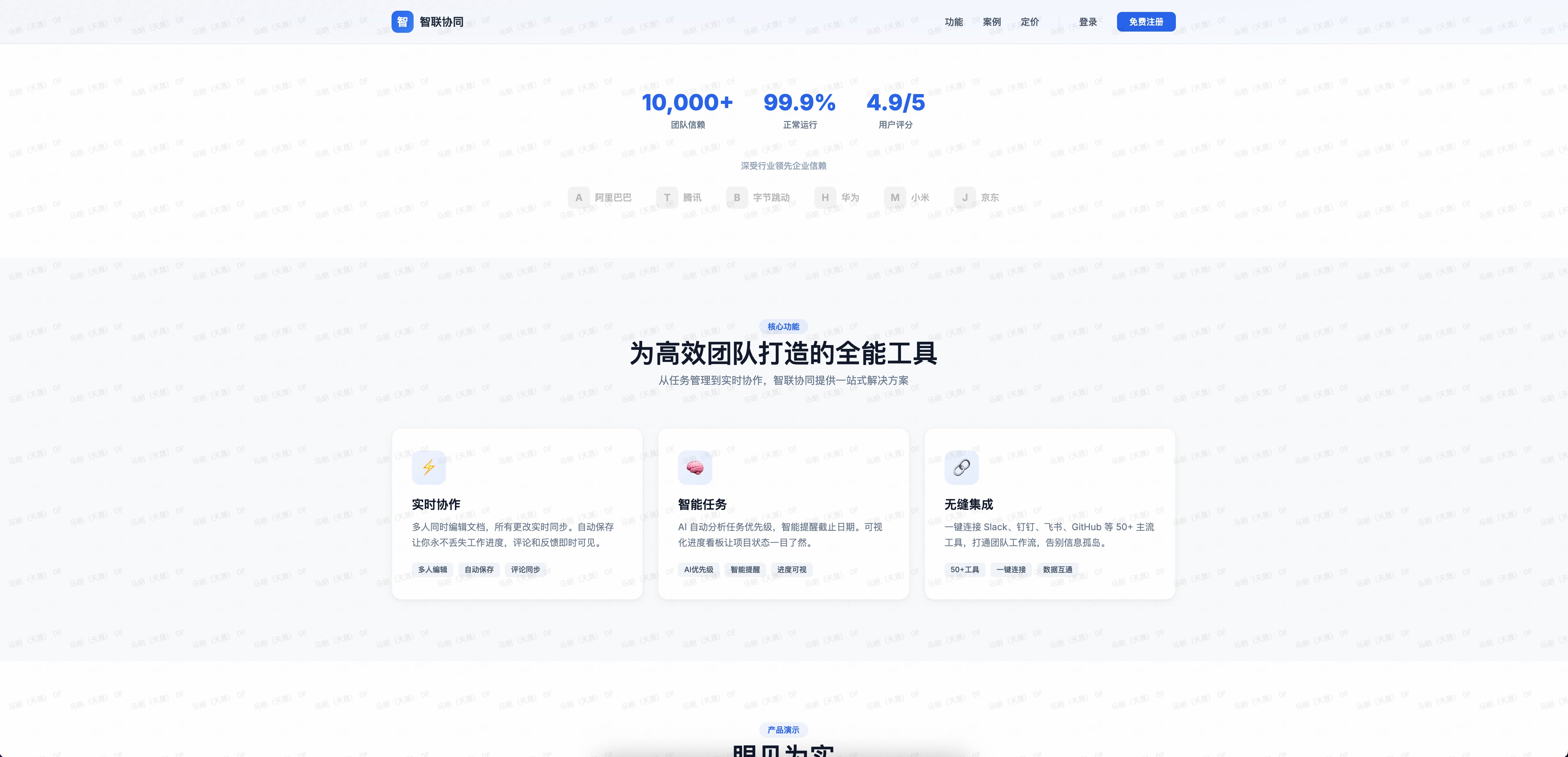
Generate a public landing page and publish it to my Yida app.
The agent can then call OpenYida commands to create the application, generate source files, publish pages, and return the final Yida URLs. In Codex, Qoder, and Wukong environments, successful creation and publish commands also include a browser handoff so the agent can open the resulting Yida page in the in-app browser. Use --open to force this handoff or --no-open to suppress it.
Wukong Installation
Wukong uses manual skill package installation instead of npm:
- Download the latest
.zipskill package from GitHub Releases. - Open Wukong.
- Go to Skill Center > Upload Skill and select the downloaded package.
For Wukong terminal work, make sure its bundled Node.js path is active before running node, npm, or npx commands:
export PATH="$HOME/.real/.bin/node/bin:$PATH"
Supported AI Coding Tools
| Tool | Support |
|---|---|
| Codex | Full support |
| Claude Code | Full support |
| Aone Copilot | Full support |
| OpenCode | Full support |
| Cursor | Full support |
| Visual Studio Code | Full support |
| Qoder | Full support |
| Wukong | Full support |
How It Works
flowchart LR
  A["AI coding agent"] --> B["OpenYida CLI"]
  B --> C["Environment detection"]
  B --> D["Login and organization context"]
  B --> E["Yida API operations"]
  B --> F["Local page generation and compile"]
  E --> G["Native Yida app"]
  F --> G
OpenYida keeps platform-specific behavior inside the CLI, while agents interact with predictable commands and project files.
Project Layout
openyida/
├── bin/yida.js                 # CLI entry and command routing
├── lib/
│   ├── app/                    # Application, form, page, import/export commands
│   ├── auth/                   # Login, QR login, browser handoff, organization switch
│   ├── connector/              # HTTP connector lifecycle and smart creation
│   ├── core/                   # Environment detection, i18n, diagnostics, data commands
│   ├── process/                # Process form creation, configuration, preview
│   ├── report/                 # Yida report and chart generation
│   └── samples/                # Templates emitted by openyida sample
├── project/                    # Default workspace template for generated Yida projects
├── yida-skills/                # Agent skills and Yida API references
└── scripts/                    # CI, packaging, and installation helpers
Capabilities
Application and Form Management
openyida create-app "CRM"
openyida create-app --name "CRM" --desc "Customer management" --theme deepBlue
openyida app-list --size 20
openyida create-form create APP_XXX "Customer" fields.json
openyida create-form update APP_XXX FORM_XXX changes.json
openyida get-schema APP_XXX FORM_XXX
openyida get-schema APP_XXX --all --output-dir .cache/schemas
Custom Page Development
openyida create-page APP_XXX "Dashboard"
openyida generate-page product-homepage --spec page.json --output pages/src/home.jsx --compile
openyida check-page pages/src/home.jsx
openyida compile pages/src/home.jsx
openyida publish pages/src/home.jsx APP_XXX FORM_XXX
generate-page turns a structured spec into a Page IR, renders a curated React 16-compatible template, writes a .openyida-page.json manifest, and optionally compiles the result. The manifest makes follow-up AI edits safer because agents can update known blocks instead of rewriting a large JSX file by hand.
Workflow, Data, and Permissions
openyida create-process APP_XXX "Purchase Request" fields.json process.json
openyida configure-process APP_XXX FORM_XXX process.json
openyida process preview APP_XXX PROC_INST_XXX --output process.html
openyida data query form APP_XXX FORM_XXX --page 1 --size 20
openyida get-permission APP_XXX FORM_XXX
When creating or updating test data with openyida data, Yida date fields must use 13-digit millisecond timestamps, for example "dateField_xxx": 1719705600000. Do not submit YYYY-MM-DD strings for DateField or CascadeDateField values.
Connectors, Integrations, and Reports
openyida connector smart-create --curl "curl https://api.example.com/users"
openyida connector list
openyida integration create APP_XXX FORM_XXX "Sync customer data"
openyida create-report APP_XXX "Sales Dashboard" charts.json
openyida append-chart APP_XXX REPORT_XXX chart.json
CLI Reference
Run openyida --help or openyida <command> --help for detailed usage.
Environment and Authentication
| Command | Description |
|---|---|
openyida env [--json] |
Detect the active AI tool environment and login state |
openyida env <list|show|switch|add|remove> |
Manage public/private Yida environment profiles |
openyida commands [--json] |
Emit the machine-readable command manifest |
openyida login [--qr|--codex|--codex-qr|--browser] [--corp-id <corpId>] |
Log in to Yida |
openyida logout |
Log out or switch account |
openyida auth <status|login|refresh|logout> |
Manage login status |
openyida org list |
List accessible organizations |
openyida org switch --corp-id <corpId> |
Switch organization without logging in again |
Applications
| Command | Description |
|---|---|
openyida app-list [--size N] |
List Yida applications |
openyida create-app "<name>"|--name <name> [options] [--open|--no-open] |
Create an application and output appType |
openyida update-app <appType> --name "..." |
Update application metadata |
openyida export <appType> [output] |
Export an application migration package |
openyida import <file> [name] |
Import a migration package into a target environment |
Forms and Pages
| Command | Description |
|---|---|
openyida create-form create <appType> "<name>" <fields.json> [--open|--no-open] |
Create a form page |
openyida create-form update <appType> <formUuid> <changes.json> [--open|--no-open] |
Update a form page |
openyida list-forms <appType> [--keyword <text>] |
List forms in an application |
openyida get-schema <appType> <formUuid|--all> |
Fetch one form schema or batch export all schemas |
openyida create-page <appType> "<name>" [--open|--no-open] |
Create a custom display page |
openyida generate-page <template> [--spec file] |
Generate custom page source from templates |
openyida check-page <sourceFile> [--json] |
Check page compatibility with Yida runtime rules |
openyida compile <sourceFile> |
Compile a custom page locally |
openyida publish <sourceFile> <appType> <formUuid> [--open|--no-open] |
Compile and publish a custom page |
openyida update-form-config <appType> <formUuid> <isRenderNav> <title> |
Update page/form display configuration |
Data, Permissions, and Sharing
| Command | Description |
|---|---|
openyida data <action> <resource> [args] |
Unified data management for forms, processes, tasks, and subforms |
openyida data check <appType> <formUuid> <rules.json> |
Detect anomalous process-form records |
openyida task-center <type> [options] |
Query todo, created, processed, CC, or proxy-submitted tasks |
openyida get-permission <appType> <formUuid> |
Query form permission configuration |
openyida save-permission <appType> <formUuid> [options] |
Save form permission configuration |
openyida verify-short-url <appType> <formUuid> <url> |
Verify a short URL |
openyida save-share-config <appType> <formUuid> <url> <isOpen> [openAuth] |
Save public access or sharing configuration |
openyida get-page-config <appType> <formUuid> |
Query public access or sharing configuration |
Workflow, Reports, and Integrations
| Command | Description |
|---|---|
openyida create-process <appType> ... |
Create a process form and configure workflow |
openyida configure-process <appType> ... |
Configure and publish process rules |
openyida process preview <appType> <processInstanceId> [--output <path>] |
Generate a visual process preview |
openyida create-report <appType> "<name>" <charts.json> [--open|--no-open] |
Create a Yida report |
openyida append-chart <appType> <reportId> <charts.json> [--open|--no-open] |
Append a chart to an existing report |
openyida connector <sub-command> |
Manage HTTP connectors, actions, tests, and auth accounts |
openyida integration create <appType> <formUuid> <flowName> [options] |
Create an integration automation flow |
openyida dws <command> [args] |
Access DingTalk CLI capabilities such as contacts, calendar, todo, and approval |
Utilities
| Command | Description |
|---|---|
openyida copy [--force] |
Initialize the local project/ workspace |
openyida sample [--list] |
Emit sample templates |
openyida doctor [--fix] |
Diagnose and repair environment issues |
openyida formula evaluate <formula|file> [--schema file] |
Static-check formula syntax and field references |
openyida update |
Update OpenYida through npm |
openyida export-conversation [options] |
Export AI conversation history |
openyida flash-to-prd --file <path> --name "<project>" |
Convert flash notes or meeting notes into a PRD prompt |
openyida cdn-config |
Configure image upload to Aliyun OSS/CDN |
openyida cdn-upload <image-path> |
Upload an image to CDN |
openyida cdn-refresh [options] |
Refresh CDN cache |
Agent Skills
The yida-skills/ directory contains agent-facing instructions and references for common Yida workflows. It is organized as a small skill library:
| Path | Purpose |
|---|---|
yida-skills/SKILL.md |
Entry point and skill index |
yida-skills/skills/ |
Self-contained sub-skills for app, form, process, page, data, and integration work |
yida-skills/references/ |
Shared Yida API, model API, and query-condition references |
When OpenYida is used inside a supported AI coding environment, these skills help the agent choose the right command sequence and file conventions.
For Codex, npm install -g openyida additionally creates a local plugin marketplace under ~/.openyida/codex-plugin and enables openyida@openyida in ~/.codex/config.toml when Codex is detected. This makes OpenYida show up in Codex's @ plugin menu as 宜搭 after Codex reloads.
Examples
Business Systems: IPD and CRM
Describe your requirements in one sentence; the agent can create a complete multi-form Yida application.
Custom Pages and Utilities
Interactive Campaigns

Common Prompts
Build a Yida application for [business scenario].
Generate an app from this requirements document.
Create a [name] form page with these fields.
Add a required [field type] field named [field name] to [form name].
Publish this custom page to the Yida app.
Make this page publicly accessible.
Export the application as a migration package.
OpenClaw Integration
Use OpenYida through yida-app in OpenClaw:
npx clawhub@latest install nicky1108/yida-app
Development
git clone https://github.com/openyida/openyida.git
cd openyida
npm install
npm run check:ci
Useful checks:
| Command | Purpose |
|---|---|
npm test |
Run Jest tests |
npm run lint |
Run ESLint |
npm run check:syntax |
Validate JavaScript syntax |
npm run check:structure |
Validate project structure |
npm run check:package |
Validate npm package contents |
When adding new CLI commands, register the route in bin/yida.js, add it to lib/core/command-manifest.js, update user-facing documentation here, and keep agent skills in yida-skills/ aligned when the workflow changes.
Security and Configuration
- Login cookies are cached locally and should never be hard-coded into source files.
- Private deployment environments are managed through
lib/core/env-manager.js. - Yida API requests should use the active environment base URL and authenticated cookies.
- For multi-organization accounts, prefer explicit
--corp-idvalues in non-interactive automation.
Community
Scan the QR code to join the OpenYida DingTalk user group for updates and support.

Contributors
Thanks to everyone who has contributed to OpenYida. Read the Contributing Guide to get involved.
License
MIT © 2026 Alibaba Group Holding Limited
README copy captured when this server was indexed; it may lag the repository. The original is authoritative.